Meet the founders

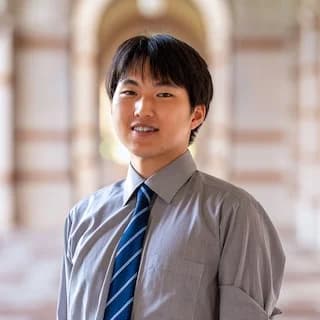
Portrait of 鈴木類
01CEO

鈴木類

Keio University · Information and Computer Science

Rui has researched multiple zeta functions and worked on robotics competitions, AI companion robots, and Vision-Language-Action research, with a focus on carrying theory into systems that work in the physical world.
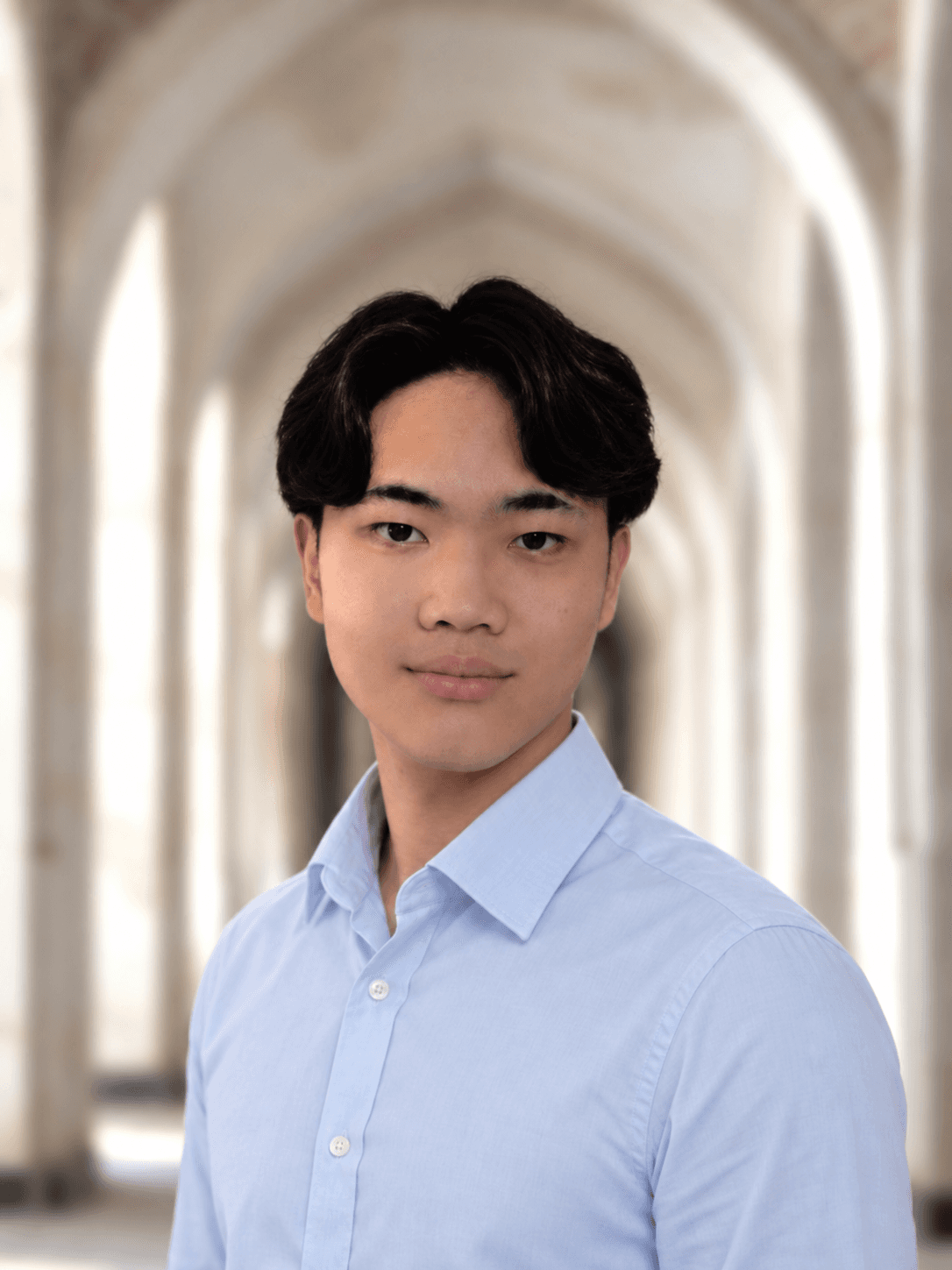
Portrait of Lê Quang Tuấn (渡邉黎)
02COO

Lê Quang Tuấn (渡邉黎)

Keio University · Applied Physics and Physico-Informatics

Rei researches spintronics and topological insulators, and has also worked in machine-learning education and learning support for displaced communities.

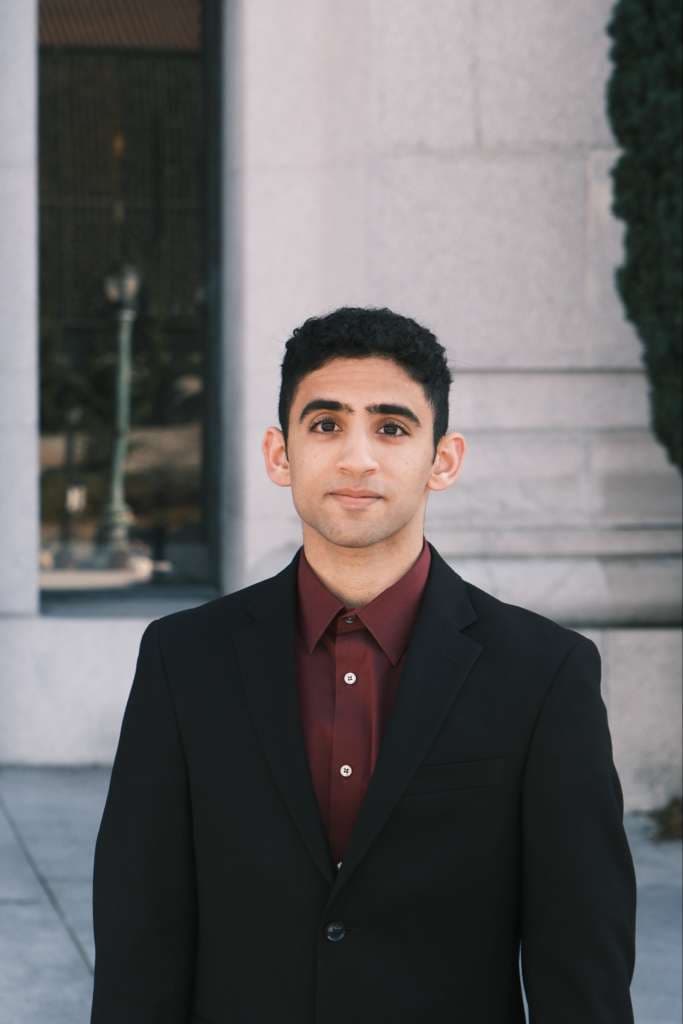
Portrait of Eshaan Mistry
03CTO

Eshaan Mistry

UC Berkeley · Physics, Computer Science, and Chemistry

Eshaan has applied AI to physical simulation, life science, and quantum machine learning through work at Lawrence Berkeley National Laboratory, NASA Ames Research Center, and research teams at Berkeley and Keio.

Beyond the workspace.

The workspace is the first thing we built. The system we are building toward reads the literature for you, keeps an honest record of what has actually been shown, and gets a working, checked implementation into your hands faster than you could manage alone.

  1. An Atlas that keeps growing

    Thousands of papers, each method traced from input to output with its cost and its source. Nothing enters without a citation, and when the literature does not fit the map, the map changes.

  2. Cost you can follow end to end

    Resource estimates composed along a whole pathway rather than one gate at a time, so two routes to the same answer can be compared before anyone writes code.

  3. From a pathway to your Studio

    Pick a route through the Atlas, or let the assistant suggest one, and open it as a working assembly with its assumptions, interfaces and evidence carried along. Export it, or keep extending it there.

  4. An assistant that has read the code

    Models trained on real implementations that can propose a workflow, write the circuit, and say which hardware could run it. Each suggestion carries the sources it came from, so you can open them.

  5. Real machines, honestly reported

    Runs on quantum hardware next to the simulation, a lane for the large statevector jobs, circuit compression and annealing, each with its evidence attached the same way.

  6. A system that improves itself

    It should be able to say what it does not yet know, go and read for it, and restructure when a paper does not fit. Every one of those loops stays behind a human gate, because a well-formed wrong answer breaks no rule.

Each step rests on the one before it, and nothing reaches the record without a source.

Tell us about your research.

Contact us about a research project, product access, or collaboration.